Steam Turbine Failures: The Case Studies
Working Principle of Steam Turbine
A steam turbine converts thermal energy from pressurised steam into mechanical energy.
Put it simply,
A steam turbine works like a powerful pinwheel. Boiling hot steam shoots through small nozzles and hits curved blades attached to a central metal shaft. The force of the fast-moving steam pushes the blades, spinning the shaft at high speeds to create electricity or to power machines.
Case Studies of Steam Turbine Failures
Four (4) case studies involving steam turbine failures are selected and summarised below, followed by the associated risk management lessons.
Case #1
Rankine Palm Oil Mill: The Cost of Compromise
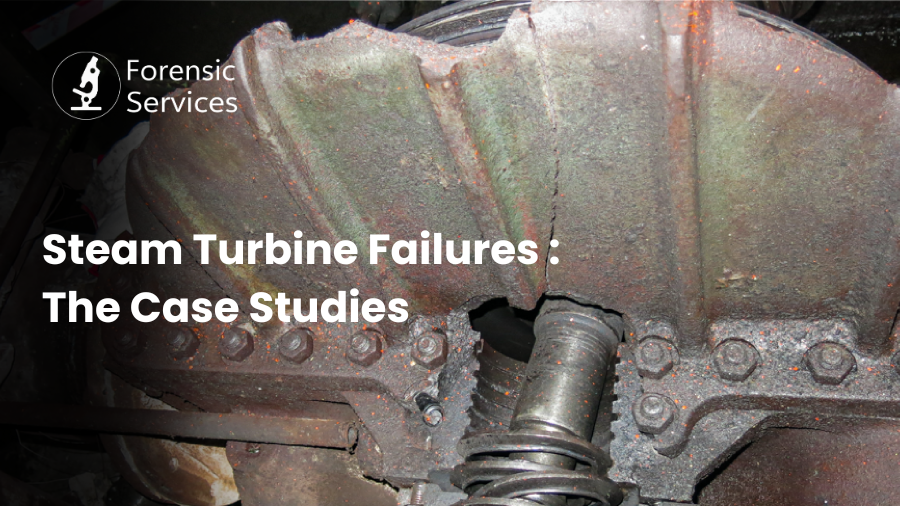
During a routine annual inspection in August 2018, the rotor wheel of a steam turbine was found to be badly damaged, with 15 blades detached and the shroud broken. The mill reported that the turbine had operated normally prior to the shutdown. Forensic investigators examined the dismantled components and found severe wear at the rotor adjacent to the blade roots, though there was no evidence that foreign material had entered the system. It was revealed that two (2) years prior, in 2016, severe erosion had been detected in these same areas due to wet steam and water carry over. While the repairer had recommended a full replacement of the rotor, the mill insisted on temporary weld repairs, justifying the decision by labelling the turbine a “standby unit”.
Conclusion: The damage was solely the result of those temporary repairs failing in the form of new fractures and cracks; the mill had continued using a compromised rotor at high RPM for two (2) years, creating a risk of catastrophic failure and potential loss of life.
Case #2
Labyrinth West Power: The Logic Conflict
During the commissioning of a new 1,000 MW turbine, high vibration was detected during Load Rejection Operations (LRO), and performance tests later revealed the HP turbine was operating below efficiency standards. Inspection showed damage to stage 8 nozzle tips and gland packings. The manufacturer attributed this to incorrect logic settings that caused excessive temperature rise and subsequent thermal expansion. The forensic engineers, however, proposed that backflow of rejected steam created pressure transients (shocks) that physically displaced the turbine shaft. This physical shock caused rubbing before the thermal expansion could even occur.
Conclusion: The damage was caused by problems during LRO due to improper logic control settings, leading to sudden steam backflow that shocked and displaced the turbine components.
Case #3
Singaw Palm Oil Mill: The Hidden Scale
A sudden increase in steam flow was detected at the boiler, leading to the discovery of significant internal damage in steam turbine #1. Internals showed impact damage on stationary blades, nozzle blocks, and the first-stage rotor. The steam strainer was completely undamaged, suggesting the impacting objects were very small (less than 6.1mm). A review of boiler water treatment records revealed that Total Dissolved Solids (TDS) were frequently out of range, which would lead to the formation of scale.
Conclusion: The damage was caused by minute scale fragments dislodged from the boiler that bypassed the strainer and impacted the turbine at high velocity, causing an imbalance and subsequent rubbing of rotating parts.
Case #4
Tuabin Palm Oil Mill: The Incomplete Reconditioning
An engine driver noticed that the turbine frequency exceeded 50 Hz and emitted a whining sound, suggesting an overspeed condition despite having no load. Physical inspection revealed 10 missing blades on the steam end rotor wheel and impact damage to the casing. The trip valve had failed to activate automatically to stop the overspeed. FSM consulting engineers found that while the outer blade guides were in good condition, the inner guides were severely eroded. The rotor had been “reconditioned” years prior, but work was likely only performed on the visible outer surface, leaving the inner guides to continue eroding undetected.
Conclusion: The failure was caused by pre-existing erosion of inner blade guides that finally gave way when the turbine overspeed due to a faulty trip valve.
Lessons Learnt for Risk Management
For the Insurance Practitioners
- Vetting Long-term Maintenance History: Insurers must scrutinize maintenance records beyond the most recent service. Multiple cases showed asset manager ignoring expert replacement recommendations for years or relying on “standby unit” status to justify minimal repairs.
- Independent Forensic Analysis: Manufacturer reports may sometimes misidentify root causes to protect their design or control logic. Independent forensic investigators are essential for an accurate assessment of liability and to prevent paying for design flaws.
For the Asset Manager
- The “Standby Unit” Fallacy: Treating a turbine as a “standby” unit does not reduce the physical stress of operating at high RPM. Using this logic to delay critical component replacements (like rotor wheels) significantly increases the risk of catastrophic damage and loss of life.
- Holistic Auxiliary System Monitoring: Turbine health is often dependent on the health of auxiliary systems. Poor boiler water treatment (scale formation) or localized lubrication disruptions can destroy a turbine even if the turbine itself is nominally well-maintained.
- Testing Protective Systems: Trip valves and emergency stops must be tested frequently. An overspeed event is manageable if the trip valve functions, but it becomes a total loss if the protective system fails due to poor reconditioning or maintenance.
Mechanical engineers of Forensic Services Malaysia are capable of investigating failure incidents of steam turbines.
Grounded in scientific method, our forensic investigation conducted root cause analysis holistically. The in-depth analysis is reinforced by ISO 17025 accredited laboratory to deliver impartial and solid results.
Contact us to discuss how an independent failure investigation can assist in claims assessment, litigation backing, and/or risk management.
Disclaimer
This article is provided solely for general knowledge sharing and educational purposes. It does not constitute legal, engineering, or safety advice. The authors and publisher accept no liability for any loss, damage, or consequences arising from reliance on this article. Readers must refer directly to original authoritative documents, applicable legislation, standards, and qualified professionals when assessing risks or implementing safety measures.
Need clarity on a large and complex incident?
Our forensic consultants are ready to investigate, analyse and support you – from claims to courtrooms.