
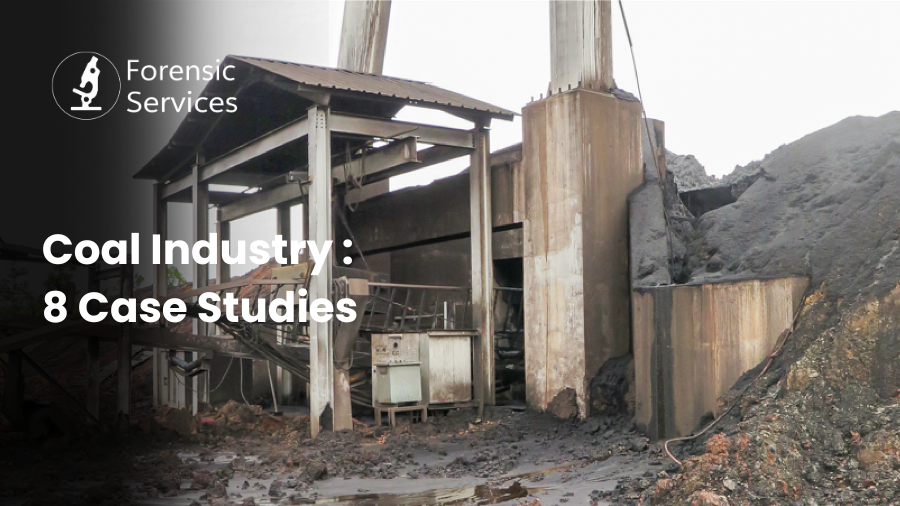
Coal Industry: 8 Case Studies
Coal processing industries possess its own safety risks, but its procedural check might not be as stringent as the oil & gas facilities. This article delved into 8 case studies related to the facilities present in these industries and what we may be learning from the incidents.
Case #1
Generator #2’s excitation control system failed on September 18, following a 90-second period of erratic voltage and current readings. The catastrophic failure was triggered by excessive heat buildup across the resistor bank, caused by a faulty electronic component that led to erroneous frequent firing of the switching thyristors. While the facility is a coal-fired power plant, the incident was localised to electrical components within the Generating Floor cubicles. Smoke was seen emanating from the excitation room, and physical inspections revealed partially melted resistance coils due to high sustained currents.
Future risk improvement: Facilities need to retrieve stored data within the faulty system to identify the specific failed electronic components and its root cause.
Case #2
A mobile coal hopper at a power plant in a city within the ASEAN region suddenly moved sideways and toppled its bogies during its first full-load test on August 18. The collapse resulted from a design failure that did not account for transverse forces generated during off-center coal loading. The weight of the coal and its offset discharge into the bin created diagonal forces that deformed the unreinforced I-beams. This deformation shifted the downward force’s center line beyond the rail’s contact surface, causing a “lever effect” that toppled the bogies.
Future risk improvement: Safety concerns were addressed by welding additional brace brackets and 20mm thick stiffening plates to the hopper frames and I-beams.
Case #3
A fire and subsequent explosion occurred in a reclaim tunnel at a coal transport facility, severely damaging conveyor belt 18. The investigation concluded the fire was likely caused by a jammed idler that became hot and ignited a pocket of accumulated coal dust. The subsequent explosion was triggered by the ignition of coal dust and flammable gases dispersed in the air after the burnt conveyor belt snapped. Significant coal remains were observed around the coal valves, suggesting that excessive dust accumulation provided the fuel for smouldering.
Future risk improvement: Increase patrolling frequencies using thermal imaging cameras to detect excessive heat in the conveyor system. Retaining SCADA event logs is also critical for future post-incident analysis and safety assessment.
Case #4
A fire broke out at a new coal mill baghouse filter during production trials, primarily centered around storage hopper number eight. The incident was triggered by spontaneous heating of finely ground coal dust that ignited when a manhole was opened, introducing oxygen into the hopper. Because finely ground coal has a high surface area, it has an extreme tendency to self-heat and spontaneously combust when exposed to air. The fire caused severe distortion to the steel sheet walls and frames of the hopper, which contained a considerable quantity of coal dust at the time.
Future risk improvement: A strict adherence to sealed operations and the establishment of written procedures for monitoring and managing temperature rises.
Case #5
A 300-ton capacity raw coal silo collapsed on December 18, after operators heard a loud crash and saw a massive plume of coal dust. The root cause of the incident was severe corrosion of the bin wall at the transition ring, which weakened the structure circumferentially. This corrosion reduced the metal’s thickness from a nominal 4.5mm to as little as 0.8mm in some sections. The silo was loaded with 180 tons of coal, and the weight caused the transition ring to separate from the bin, vertically dropping the discharge cone.
Future risk improvement: To address the absence of scheduled maintenance, as the silo had operated for more than 2 decades without regular structural inspections.
Case #6
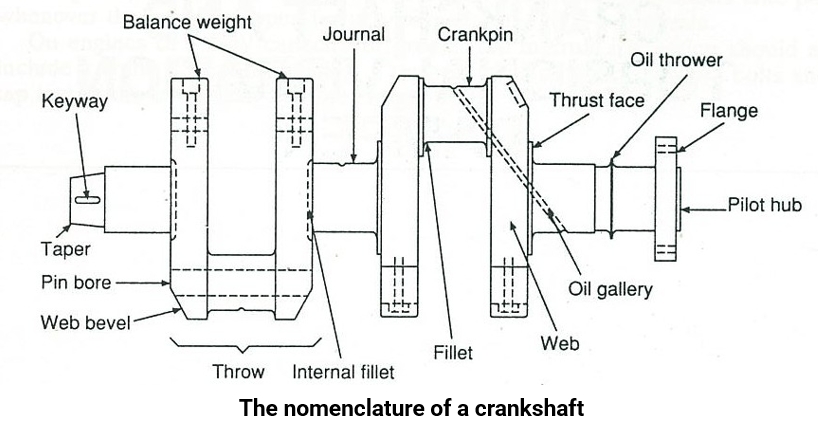
Ball Mill 2 at a copper processing facility suffered a major breakdown when its discharge-end trunnion journal cracked, leading to continuous leakage. The failure was attributed to fatigue cracks initiating at a sealing groove, which served as a significant stress concentrator on the cast steel head. Although the mill processes ore, the incident occurred shortly after production loads were increased to expand daily milling tonnage output. Previous repairs using metal stitching failed within months, resulting in new, extended cracks and severe equipment vibration.
Future risk improvement: Performing detailed fractographic studies on the failed component to confirm the failure mechanism for betterment of the process safety.
Case #7
A coal-crusher motor failed catastrophically during its initial test run, with an explosion blowing the lid off the housing and starting a fire. The root cause was a highly dangerous wiring installation where a green-sheathed cable was likely misconnected as a phase terminal instead of earth. This error led to overheated end windings, which ignited the accumulated coal dust within the motor enclosure. The motor had been left uncovered for over five hours during installation in an environment where fine coal dust was constantly present in the air.
Future risk improvement: Adhering to international color-coding standards and preventing equipment exposure in dust-laden buildings.
Case #8
A shovel’s diesel engine at a coal mine failed suddenly, leading to oil leaks and an ensuing fire on the machine. The root cause was identified as a loose main bearing cap bolt, which allowed the bearing to rotate and ultimately destroyed the lubrication system. Prior to the failure, the engine’s oil analysis showed elevated lead and iron content, signalling significant wear on main and connecting rod bearings. The engine had not yet reached its scheduled 12,000-hour rebuild, but it was operating in a demanding coal mining environment at the time.
Future risk improvement: The site must enhance assembly quality control and rigorously respond to anomalies in engine oil sampling reports.
Common Root Causes of Failure
The common root causes of failure across these incidents involve design flaws, improper installation, lack of maintenance, and the inherent properties of coal dust.
- Design and Engineering Flaws
- Improper Installation and Assembly
- Maintenance and Material Degradation
- Spontaneous Combustion and Dust Ignition
- Electronic Component Failure.
Common Risk Improvement Methods
To prevent the varied failures described in the case studies, common methods are as follows.
- Scheduled Structural and Mechanical Inspections
- Adherence to International Design and Installation Standards
- Enhanced Monitoring and Data Analysis.
- Environmental and Sealed-System Controls
- Retention of System Data for Analysis
Appoint an experienced engineering consultant
Want clarity in a complex machinery breakdown incident?
Our forensic engineering team applies scientifically grounded root cause analysis methods supported by ISO-accredited laboratory to deliver impartial and solid findings.
Contact us to discuss how independent engineering failure investigation can assist in claims evaluation, litigation support, or process improvement.
Disclaimer
This article is provided solely for general knowledge sharing and educational purposes. It does not constitute legal, engineering, or safety advice. The authors and publisher accept no liability for any loss, damage, or consequences arising from reliance on this article. Readers must refer directly to original authoritative documents, applicable legislation, standards, and qualified professionals when assessing risks or implementing safety measures.
Need clarity on a large and complex incident?
Our forensic consultants are ready to investigate, analyse and support you – from claims to courtrooms.